
Peptides have become one of the fastest-growing topics in the fitness, anti-aging, and medical wellness industries. Whether you’re searching for peptide supplements, peptides for muscle growth, peptides for weight loss, or peptides skin care, understanding how peptides work can help you make informed decisions.
Unlike anabolic steroids, peptides work differently inside the body by supporting natural biological processes. Many athletes, bodybuilders, researchers, and skincare enthusiasts are exploring peptide-based products due to their potential benefits in recovery, tissue repair, collagen production, and metabolic health.
This comprehensive guide explains everything you need to know about peptides, their uses, benefits, risks, and frequently asked questions.
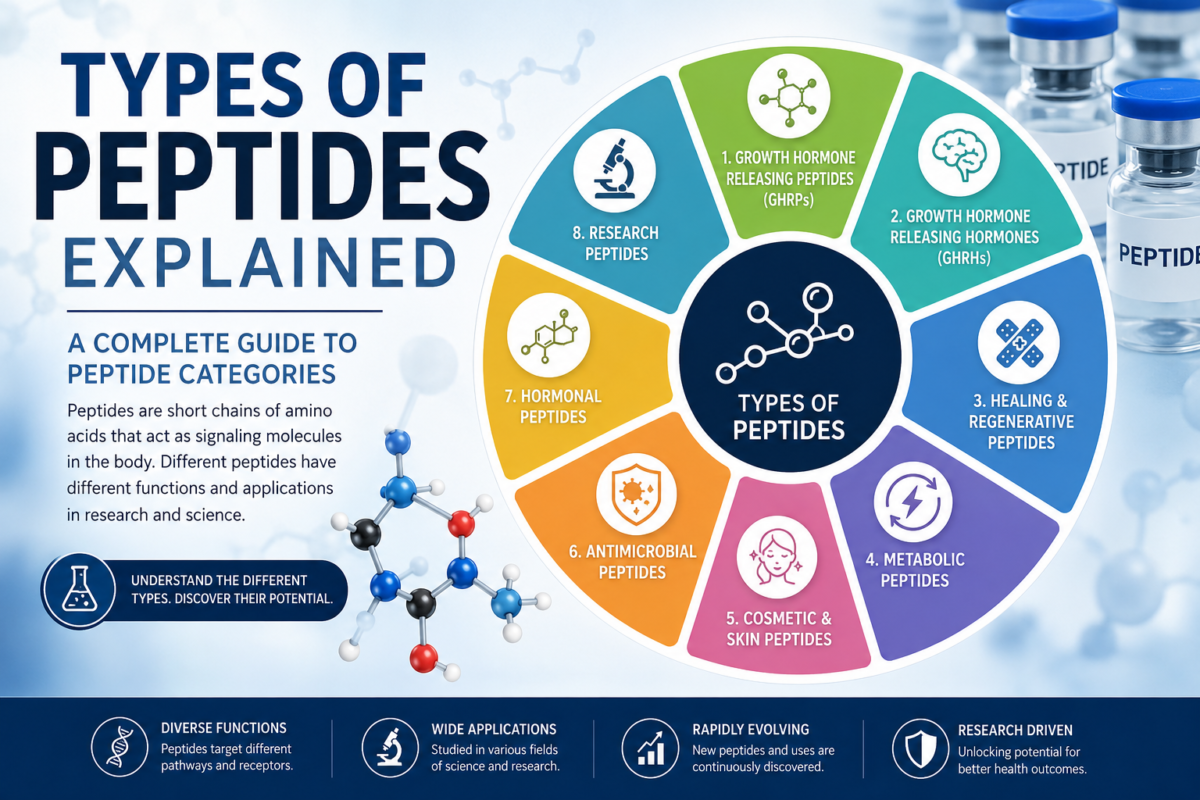
Peptides are short chains of amino acids that act as building blocks of proteins. They naturally occur in the human body and play an essential role in many biological functions, including:
Different peptides perform different functions depending on their amino acid sequence.
Peptides act as signaling molecules that communicate with cells throughout the body. Certain peptides stimulate hormone release, while others support collagen synthesis, wound healing, fat metabolism, or muscle recovery.
When specific peptides bind to receptors, they trigger natural biological responses that may improve performance, recovery, or overall health depending on the peptide being used.
Peptide supplements have become increasingly popular among fitness enthusiasts and wellness consumers. These products are often marketed to support:
It’s important to note that not all products marketed as peptide supplements have the same level of scientific evidence, and quality can vary significantly between manufacturers.
Many athletes explore peptides bodybuilding because certain peptides are believed to support:
Bodybuilders often focus on recovery because muscles grow during rest—not during training.
One of the most searched topics is peptides for muscle growth.
Some peptides are being studied for their ability to stimulate growth hormone pathways or support muscle repair following intense exercise.
Potential benefits may include:
Keep in mind that muscle growth still depends on:
Peptides are not a replacement for these foundational habits.
Interest in peptides for weight loss has grown rapidly in recent years.
Some peptides are being researched for their ability to:
Successful weight loss still requires:
Peptides should not be viewed as a standalone solution.
The beauty industry has widely adopted peptides skin care products because certain cosmetic peptides can help improve the appearance of aging skin.
Potential skincare benefits include:
Peptides are commonly found in:
Consistent use, combined with sun protection and a healthy skincare routine, is generally recommended for best cosmetic results.
Some peptides are administered as peptides injections under medical supervision or within research settings.
Injection delivery may be used because certain peptides are broken down during digestion and are not effective when taken orally.
Peptide injections are used in different medical and research contexts depending on the specific compound.
Proper administration should always follow guidance from a qualified healthcare professional.
Many people compare peptides steroids, but they are fundamentally different.
| Peptides | Steroids |
|---|---|
| Short amino acid chains | Synthetic hormone derivatives |
| Signal natural biological pathways | Directly alter hormone levels |
| May stimulate natural hormone release | Provide external hormones |
| Often target specific biological functions | Produce broader hormonal effects |
| Used in research, medicine, and cosmetics | Used medically and sometimes misused for performance enhancement |
Although both may be discussed in fitness communities, peptides and anabolic steroids are not the same.
Like any biologically active substance, peptides side effects can occur depending on the product, dosage, individual response, and medical history.
Possible side effects may include:
The safety profile varies widely between different peptides, and many are still being studied. Anyone considering peptide use should consult a qualified healthcare professional to discuss potential risks, benefits, and interactions.
Peptides are commonly explored by people interested in:
The legal status of peptides varies by country and by the specific peptide involved. Some peptides are approved for certain medical uses, while others are available only for research purposes or are restricted in competitive sports.
Always check local regulations and applicable sporting rules before obtaining or using any peptide product.
Before considering peptides:
Peptides are short chains of amino acids that help regulate many biological processes, including tissue repair, hormone signaling, collagen production, and cellular communication.
Some peptide supplements may support general wellness goals, but effectiveness depends on the specific product, formulation, and intended use. Scientific evidence varies across products.
Some peptides are being researched for their potential to support recovery and muscle repair, which may complement a structured training program.
Certain peptides may support muscle recovery and growth-related pathways, but muscle development primarily depends on resistance training, nutrition, and recovery.
Some peptides are being studied for appetite regulation and metabolic effects, though they should be viewed as part of a broader weight-management plan rather than a standalone solution.
Safety depends on the specific peptide, the individual’s health, and appropriate medical supervision. Injection products should only be used according to professional guidance.
No. Peptides are amino acid chains that influence biological signaling, whereas anabolic steroids are hormone-based compounds that directly affect hormone levels.
Potential side effects vary by peptide and may include injection site reactions, headache, nausea, fatigue, or water retention. Professional medical advice is recommended before use.
Peptides continue to attract interest across fitness, skincare, and medical research because of their diverse biological roles. Whether you’re exploring peptide supplements, peptides for muscle growth, peptides for weight loss, peptides skin care, or learning about peptide injections, it’s important to rely on credible information and understand that benefits and risks vary by peptide.
For most people, the strongest foundation for health remains a balanced diet, regular exercise, adequate sleep, and evidence-based medical care. Peptides may play a role in specific contexts, but they should be approached with informed expectations and appropriate professional guidance.